

Tunisian Arabic – known locally as Derja – sounds unlike any other Arabic dialect you may have heard. The first time I came across Tunisian spoken at speed, I understood almost nothing, despite already knowing Norwegian, French, and having studied MSA. Derja is genuinely its own thing: a mix of Arabic, Berber, French, Italian, Turkish, and Andalusian Arabic compressed into something that can be impenetrable even for native speakers of Egyptian or Syrian Arabic.
That’s exactly why a practical phrase guide matters. Whether you’re traveling to Tunisia, connecting with Tunisian family or friends, or simply curious about this fascinating dialect, the phrases below will give you a working foundation in real spoken Derja – not textbook Arabic.
A quick note on what you’re learning here: these are spoken Tunisian phrases, not Modern Standard Arabic. The way Tunisians actually greet each other, say goodbye, apologize, or count is often completely different from what any standard Arabic course would teach you. That difference is the point.
Jump to a specific phrase:
Greetings · How are you? · Goodbye · Introductions · I am… · Apologies · Signs & Notices · Numbers 1–25 · Colours · Days, Months & Seasons
Tunisian Arabic phrases you should know

*
Greet someone in Tunisian Arabic
Tunisian greetings often feel warmer and more elaborate than what you’d hear in other Arabic dialects. Aslema is the distinctly Tunisian hello – you won’t hear it in Egypt or Lebanon. And notice how French slips in naturally: Ça va? is used constantly in everyday Tunisian conversation, often mixed right into Arabic sentences.
| English | Tunisian (Derja) | Phonetic (IPA) |
|---|---|---|
| Hello! in Tunisian | أسلامة! | /aslāma/ |
| Welcome! in Tunisian | مرحباً | /marḥabān/ |
| Welcome (formal) in Tunisian | أهلاً وسهلاً | /ahlan w-saḥlan/ |
| Good day to you! in Tunisian | نهارك طيب! | /nḥārak ṭayyib/ |
| Good morning! in Tunisian | صباح الخير! | /ṣabāḥ al-ḫayr/ |
| Good morning response in Tunisian | صباح النور! | /ṣabāḥ an-nūr/ |
| Good evening! in Tunisian | مساء الخير! | /masāʾ al-ḫayr/ |
| Good evening response in Tunisian | مساء النور! | /masāʾ an-nūr/ |
| Good to see you. in Tunisian | مبروك عليك. | /mabrūk ʕalik/ |
| I’m glad to see you. in Tunisian | فرحت برؤيتك. | /faraḥt biruʾyatak/ |
If you are greeted in Tunisian Arabic, the best way to respond is as follows:
| English | Tunisian (Derja) | Phonetic (IPA) |
|---|---|---|
| Have a nice day too! | نهارك زين إنتي زادا! | /nḥārak zīn inti zāda/ |
| Thanks, it’s nice to see you too. | شكراً، فرحت برؤيتك زادا. | /šukran, faraḥt biruʾyatak zāda/ |
How are you? – The Tunisian way
The most distinctly Tunisian phrase you’ll hear is Kīfāš labeš? – which directly translates as “How is the no-problem?” It comes from the French pas (not) filtered through Tunisian phonology. Using labeš immediately signals to any Tunisian that you know real Derja, not tourist Arabic.
| English | Tunisian (Derja) | Phonetic (IPA) |
|---|---|---|
| How are you doing? in Tunisian | كيفاش لاباس؟ | /kīfāš labeš?/ |
| Are you doing well? in Tunisian | أنتي لاباس؟ | /inti labeš?/ |
| Everything okay? in Tunisian | لاباس؟ | /labeš?/ |
If you are asked how you feel, you can answer with the following phrases:
| English | Tunisian (Derja) | Phonetic (IPA) |
|---|---|---|
| Thank you for asking, I am fine. | شكراً على سؤالك، أنا لاباس. | /šukran ʕalā suʔālik, anā labeš/ |
| Thank you, I am fine. | شكراً، أنا لاباس. | /šukran, anā labeš/ |
| Thank you, I am not doing so well. | شكراً، ما نحبش نقول لاباس. | /šukran, mā naḥibš nʕūl labeš/ |
| Thanks, I’m fine. How are you doing? | شكراً، أنا لاباس. كيفاش لاباس؟ | /šukran, anā labeš. kīfāš labeš?/ |
Learn all the tricks that will help you learn any language quickly and efficiently – much faster than you could ever have dreamed possible.


*
More information about the Tunisian Arabic online course.
How to say goodbye in Tunisian Arabic
Tunisian goodbyes mix formal Arabic with borrowed words. Bāy (from French/English “bye”) is completely standard in informal settings – you’ll hear it constantly. Nšūfak (I’ll see you) is used exactly like “see you” in English, and the future marker n- at the start is a distinctly Maghrebi feature you won’t find in Eastern dialects.
| English | Tunisian (Derja) | Phonetic (IPA) |
|---|---|---|
| Goodbye! in Tunisian | باي! | /bāy/ |
| Goodbye (formal) in Tunisian | إلى اللقاء | /ilā al-liqāʔ/ |
| Take care of yourself! in Tunisian | تواخذ روحك! | /twaḫað rūḥak/ |
| See you tomorrow in Tunisian | نشوفك غدوة | /nšūfak ġodwa/ |
| See you soon in Tunisian | نشوفك قريب | /nšūfak qarīb/ |
| See you later in Tunisian | نشوفك بعد | /nšūfak baʕd/ |
| Good night in Tunisian | تصبح على خير | /ṭuṣbiḥ ʕalā ḫayr/ |
| Good night response in Tunisian | وانتي من أهل الخير | /w-inti min ahl al-ḫayr/ |
| Sleep well in Tunisian | نم براحة | /nim bārāḥa/ |
| Talk to you later in Tunisian | نهدر معاك بعد | /naḥdār maʕāk baʕd/ |
| Nice to have met you! in Tunisian | فرحت بلقائك! | /faraḥt biliqāʔak/ |

How to introduce yourself in Tunisian Arabic
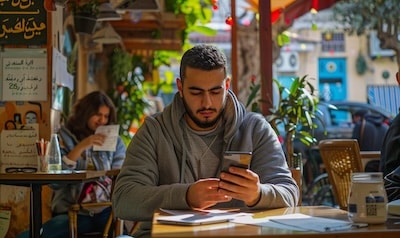
When travelling in Tunisia, sooner or later you will come into contact with local people. Notice that šnūwa (what) is a distinctly Tunisian word – you won’t hear it anywhere else in the Arab world, and using it immediately shows you’ve done your homework.
| English | Tunisian (Derja) | Phonetic (IPA) |
|---|---|---|
| My name is Jonas. | إسمي جوناس. | /ismī ʒūnās/ |
| What is your name? | شنوّة إسمك؟ | /ʃnūwa ismak?/ |
| What is your surname? | شنوّة لقبك؟ | /ʃnūwa laqabak?/ |
| What is your first name? | شنوّة إسمك الأول؟ | /ʃnūwa ismak al-ʔawwal?/ |
If you want to tell people where you come from, the following sentences are useful:
| English | Tunisian (Derja) | Phonetic (IPA) |
|---|---|---|
| Where do you come from? | منين إنتي؟ | /mnīn inti?/ |
| I am from London. | أنا من لندن. | /anā min landān/ |
| Are you from Birmingham? | إنتي من برمنغهام؟ | /inti min bārminġām?/ |
| No, I’m from Madrid. | لا، أنا من مدريد. | /lā, anā min madrīd/ |
| Great, I’m from Madrid too. | عظيم، أنا زادا من مدريد. | /ʕaẓīm, anā zāda min madrīd/ |
| Where do you live? | وين تسكن؟ | /wīn taskun?/ |
| I live in Berlin. | أنا ساكن في برلين. | /anā sākin fī barlīn/ |
If you have language difficulties, these phrases help:
| English | Tunisian (Derja) | Phonetic (IPA) |
|---|---|---|
| Do you speak English? | تحكي إنجليزي؟ | /taḥkī inglīzī?/ |
| Yes, I speak English. | إيه، نحكي إنجليزي. | /īh, naḥkī inglīzī/ |
| Yes, I speak some English. | إيه، نحكي شوية إنجليزي. | /īh, naḥkī šwiyya inglīzī/ |
| No, I do not speak any English. | لا، ما نحبش نحكي إنجليزي. | /lā, mā naḥibš naḥkī inglīzī/ |
| I only speak English. | أنا نحب نحكي إنجليزي برك. | /anā naḥib naḥkī inglīzī barak/ |
| I understand some Tunisian. | نفهم شوية تونسي. | /nifham šwiyya tūnsī/ |
Essential Tunisian phrases: thank you, please, sorry
These are the phrases people search for most – and they’re good examples of how Derja blends its sources. Yaishek (bless you / thank you) has no equivalent in other Arabic dialects and comes from an old Berber root. Āsef (sorry) is shared with other dialects but the Tunisian apology formulas that follow it are unique.
| English | Tunisian (Derja) | Phonetic (IPA) |
|---|---|---|
| Thank you in Tunisian | شكراً | /šukran/ |
| Thank you very much in Tunisian | يعيشك | /yaʕīšak/ (Derja – lit. “may you live”) |
| Please in Tunisian | عافيك / من فضلك | /ʕāfīk/ / /min faDlak/ |
| Sorry / Excuse me in Tunisian | آسف / سامحني | /āsef/ / /sāmħnī/ |
| Yes in Tunisian | إيه / نعم | /īh/ (informal) / /naʕam/ (formal) |
| No in Tunisian | لا / أمّا | /lā/ / /amma/ (emphatic no) |
| I love you in Tunisian | نحبك | /naḥibbak/ (m) / /naḥibbik/ (f) |
Useful sentences with ‘I am…’
The following sentences will help you express yourself in everyday situations in Tunisia. Notice how Tunisian often drops vowels that other dialects keep – tʕabān (tired) loses the opening vowel entirely, which is characteristic of the Maghrebi consonant-cluster tendency.
| English | Tunisian (Derja) | Phonetic (IPA) |
|---|---|---|
| I am English. in Tunisian | أنا إنجليزي. | /anā inglīzī/ |
| I am injured. in Tunisian | أنا مجروح. | /anā maǧrūḥ/ |
| I am here. in Tunisian | أنا هنا. | /anā hinā/ |
| I am hungry. in Tunisian | أنا جائع. | /anā jāʕiʕ/ |
| I am thirsty. in Tunisian | أنا عطشان. | /anā ʕaṭšān/ |
| I am a single person. in Tunisian | أنا شخص عازب. | /anā šakṣ ʕāzib/ |
| I need help! in Tunisian | نحتاج للمساعدة! | /naḥtāj lil-mūsāʕada/ |
| I am tired. in Tunisian | أنا تعبان. | /anā tʕabān/ |
| I am happy. in Tunisian | أنا فرحان. | /anā faraḥān/ |
| I am sad. in Tunisian | أنا حزين. | /anā ḥazīn/ |
| I am in love. in Tunisian | أنا واقع في الحب. | /anā wāqiʕ fī al-ḥubb/ |
| I am ill. in Tunisian | أنا مريض. | /anā marīḍ/ |
| I am ready. in Tunisian | أنا جاهز. | /anā jāhaz/ |
| I am busy. in Tunisian | أنا مشغول. | /anā mašġūl/ |
| I am lost. in Tunisian | أنا ضايع. | /anā ḍāyiʕ/ |
| I am a tourist. in Tunisian | أنا سائح. | /anā sāʔiḥ/ |
| I am new here. in Tunisian | أنا جديد هنا. | /anā ǧadīd hinā/ |
| I am confident. in Tunisian | أنا واثق. | /anā wāṯiq/ |
| I am proud. in Tunisian | أنا فخور. | /anā faḥūr/ |
| I am a teacher. in Tunisian | أنا معلم. | /anā muʕallim/ |
| I am late. in Tunisian | أنا متأخر. | /anā mtaʔaḫḫir/ |
| I am 30 years old. in Tunisian | عندي 30 سنة. | /ʕandī 30 sana/ |
| I am in a hurry. in Tunisian | أنا مستعجل. | /anā mistaʕǧil/ |
| I am surprised. in Tunisian | أنا مستغرب. | /anā misṯaɡrib/ |
| I am angry. in Tunisian | أنا غاضب. | /anā ġāḍib/ |
Apologising in Tunisian Arabic
Tunisian apologies tend to be direct. Sāmħnī (forgive me) is more heartfelt than āsef (sorry) and signals genuine remorse. In informal situations Tunisians often just say āsef quickly and move on – much like English speakers use “sorry” without much weight.
| English | Tunisian (Derja) | Phonetic (IPA) |
|---|---|---|
| I apologise. in Tunisian | أنا نعتذر. | /anā naʕtadhir/ |
| Sorry, that was not the intention. | آسف، ما كانش هذيك النية. | /āsef, mā kānš hāḏīk an-nīya/ |
| Sorry, I did not do it on purpose. | آسف، ما عملتش هكا عمداً. | /āsef, mā ʕamiltš hakka ʕamdan/ |
| Sorry, that was very clumsy of me. | آسف، هذي كانت غلطة كبيرة مني. | /āsef, hāḏī kānat ḡalta kbīra minnī/ |
Test the Tunisian Arabic online language course for two days completely free of charge:
*
More information about the Tunisian Arabic intermediate course.
Useful signs and notices in Tunisian Arabic
Tunisia uses both Arabic script and French in public signage – you’ll see both languages on street signs, in official buildings, and on transport. These are the Arabic versions of the most common signs you’ll encounter.
| English | Tunisian Arabic | Phonetic (IPA) |
|---|---|---|
| Entrance in Tunisian | مدخل | /madxal/ |
| Toilet in Tunisian | مرحاض | /mirḥāḍ/ |
| Exit in Tunisian | مخرج | /maxraǧ/ |
| Attention! in Tunisian | إنتباه! | /intibāḥ/ |
| Police in Tunisian | شرطة | /šuṛṭa/ |
| Emergency services in Tunisian | خدمات الطوارئ | /ḫidmāt aṭ-ṭawāriʔ/ |
| Fire brigade in Tunisian | إطفاء الحريق | /iṭfāʔ al-ḥarīq/ |
| Passage forbidden. in Tunisian | المرور ممنوع. | /al-murūr mamnūʕ/ |
| Caution! in Tunisian | حذر! | /ḥaḏar/ |
| This building is under video surveillance. | هذا المبنى تحت المراقبة بالفيديو. | /hāḏā al-mabnā taḥt al-murāqaba bil-fīdyū/ |
Numbers 1–25 in Tunisian Arabic
Tunisian numbers sit between Moroccan Darija and MSA in an interesting way. Like Moroccan, the teens compress heavily — ḥdāš (11) and iθnāš (12) use the short Maghrebi -āš ending. But from 13 onwards, Tunisian switches back to the fuller two-word MSA form (θalāṯa ʕašar, arbaʕa ʕašar etc.) rather than fusing them — a hybrid pattern not found in either Moroccan or Levantine dialects. Similarly, the tens from 20 upwards use the MSA -ūn ending (ʕishrūn, not ʕishrīn), which makes Tunisian written numbers closer to formal Arabic than Egyptian or Levantine speech. Tunisian also retains the th sound (ث) in θalāṯa (3) and θamāniya (8) — unlike Egyptian and Lebanese, which replace it with t.
For the full framework — Eastern Arabic numerals (١ ٢ ٣), MSA compound number logic, and how Tunisian compares to all other major dialects — see the Arabic numbers guide.
| English | Tunisian Arabic | Phonetic (IPA) |
|---|---|---|
| 1 in Tunisian | واحد | /wāḥid/ |
| 2 in Tunisian | إثنين | /itnīn/ |
| 3 in Tunisian | ثلاثة | /θalāṯa/ |
| 4 in Tunisian | أربعة | /arbaʕa/ |
| 5 in Tunisian | خمسة | /xamsa/ |
| 6 in Tunisian | ستة | /sitta/ |
| 7 in Tunisian | سبعة | /sabʕa/ |
| 8 in Tunisian | ثمانية | /θamāniya/ |
| 9 in Tunisian | تسعة | /tisaʕa/ |
| 10 in Tunisian | عشرة | /ʕašra/ |
| 11 in Tunisian | حداش | /ḥdāš/ |
| 12 in Tunisian | إثناش | /iθnāš/ |
| 13 in Tunisian | ثلاثة عشر | /θalāṯa ʕašar/ |
| 14 in Tunisian | أربعة عشر | /arbaʕa ʕašar/ |
| 15 in Tunisian | خمسة عشر | /xamsa ʕašar/ |
| 16 in Tunisian | ستة عشر | /sitta ʕašar/ |
| 17 in Tunisian | سبعة عشر | /sabʕa ʕašar/ |
| 18 in Tunisian | ثمانية عشر | /θamāniya ʕašar/ |
| 19 in Tunisian | تسعة عشر | /tisaʕa ʕašar/ |
| 20 in Tunisian | عشرون | /ʕishrūn/ |
| 21 in Tunisian | واحد وعشرون | /wāḥid w ʕishrūn/ |
| 22 in Tunisian | إثنان وعشرون | /itnīn w ʕishrūn/ |
| 23 in Tunisian | ثلاثة وعشرون | /θalāṯa w ʕishrūn/ |
| 24 in Tunisian | أربعة وعشرون | /arbaʕa w ʕishrūn/ |
| 25 in Tunisian | خمسة وعشرون | /xamsa w ʕishrūn/ |
Colours in Tunisian Arabic
| English | Tunisian Arabic | Phonetic (IPA) |
|---|---|---|
| Red in Tunisian | أحمر | /aḥmar/ |
| Blue in Tunisian | أزرق | /azraq/ |
| Green in Tunisian | أخضر | /aḫḍar/ |
| Yellow in Tunisian | أصفر | /aṣfar/ |
| Black in Tunisian | أسود | /aswad/ |
| White in Tunisian | أبيض | /abyaḍ/ |
| Orange in Tunisian | برتقالي | /burtuqālī/ |
| Pink in Tunisian | زهري | /zahri/ |
| Purple in Tunisian | بنفسجي | /banafsajī/ |
| Brown in Tunisian | بني | /bunnī/ |
Days, months and seasons in Tunisian Arabic
One of the most telling signs of French influence in Tunisian Arabic is the calendar. While other Arab countries use Arabicized versions of the English month names (يناير, فبراير…), Tunisians use French-origin names: Jānfī for January (from French janvier), Fīfrī for February (février), Māy for May, and so on. If you know any French, the Tunisian months will feel immediately familiar.
| English | Tunisian Arabic | Phonetic (IPA) |
|---|---|---|
| Monday in Tunisian | الاثنين | /il-ithnīn/ |
| Tuesday in Tunisian | الثلاثاء | /it-θalāṯāʔ/ |
| Wednesday in Tunisian | الأربعاء | /al-ʔarbʕāʔ/ |
| Thursday in Tunisian | الخميس | /il-xamīs/ |
| Friday in Tunisian | الجمعة | /il-ǧumʕa/ |
| Saturday in Tunisian | السبت | /as-sabt/ |
| Sunday in Tunisian | الأحد | /al-ʔaḥad/ |
| January in Tunisian | جانفي | /ǧānfī/ |
| February in Tunisian | فيفري | /fīfrī/ |
| March in Tunisian | مارس | /māris/ |
| April in Tunisian | أفريل | /afrīl/ |
| May in Tunisian | ماي | /māy/ |
| June in Tunisian | جوان | /ǧwān/ |
| July in Tunisian | جويلية | /ǧwīlīya/ |
| August in Tunisian | أوت | /ūt/ |
| September in Tunisian | سبتمبر | /sibtāmbār/ |
| October in Tunisian | أكتوبر | /oktūbār/ |
| November in Tunisian | نوفمبر | /nūvambār/ |
| December in Tunisian | ديسمبر | /dīsambār/ |
| Spring in Tunisian | الربيع | /ar-rabīʕ/ |
| Summer in Tunisian | الصيف | /as-ṣayf/ |
| Autumn in Tunisian | الخريف | /al-ḵarīf/ |
| Winter in Tunisian | الشتاء | /aš-šitāʔ/ |
*

About the author: Sven Mancini
Sven is a published language author and the founder of Learn-A-New-Language.eu. He has learned Norwegian, Danish, Swedish, and French through self-study and is currently working on Spanish. His guides are based on personal experience with language learning – not generic content.
Additional links
- Tunisian Arabic online course
- Learn Arabic – dialect guide and course overview
- The different ways of learning languages
- Learning vocabulary successfully
- Motivated language learning
- It is so easy to train your understanding of a language at the same time
- Learning languages quickly? – Is it possible?
- The different types of learners when learning languages
