

Danish numbers seem straightforward at first – until you hit 50. That’s where halvtreds, tres, halvfjerds, firs and halvfems appear, and most learners hit a wall. This guide explains how the Danish number system actually works, so you can understand and use numbers with confidence. ✓
Whether you’re preparing for a trip to Copenhagen, working with Danish colleagues, or learning the language from scratch – numbers come up constantly: prices, times, addresses, dates, phone numbers. The good news: once you understand the logic behind the Danish counting system, it clicks surprisingly fast.
Learning Danish systematically? Check out the best Danish courses reviewed here. For essential vocabulary and phrases, see common Danish phrases with pronunciation.
Quick Answer: Key Danish Numbers at a Glance
- 1 in Danish: en [en]
- 10 in Danish: ti [tee]
- 20 in Danish: tyve [tü-ve]
- 30 in Danish: tredive [treh-dee-ve]
- 40 in Danish: fyrre [für-re]
- 50 in Danish: halvtreds [halv-tres]
- 60 in Danish: tres [tres]
- 70 in Danish: halvfjerds [halv-fjers]
- 80 in Danish: firs [firs]
- 90 in Danish: halvfems [halv-fems]
- 100 in Danish: hundrede [hun-dreh]
[ez-toc]
Why Danish Numbers Above 50 Look So Strange
This is the question every Danish learner runs into. You’re getting along fine with en, to, tre, fire, fem – and then suddenly halvtreds shows up for 50, and nothing makes sense anymore.
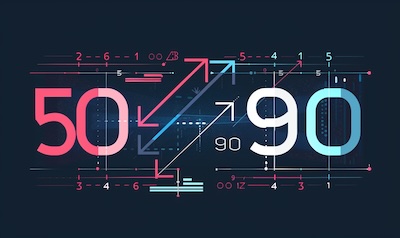
Here’s the explanation that most textbooks skip: Danish uses a vigesimal system for the tens from 50 onward. That means it counts in units of 20, not 10. It’s the same logic used in old French (quatre-vingts = 4 × 20 = 80) – except Danish takes it further.
When I first encountered halvfjerds for 70 while learning Danish, I thought it was a typo. It looks nothing like “seventy.” But once I understood the underlying logic, I never forgot it again. Here’s how it breaks down:
The logic behind Danish tens (50–90):
- halvtreds (50) = halvtredje-sinde-tyve = “half-third-times-twenty” = 2½ × 20 = 50
- tres (60) = tredje-sinde-tyve = “third-times-twenty” = 3 × 20 = 60
- halvfjerds (70) = halvfjerde-sinde-tyve = “half-fourth-times-twenty” = 3½ × 20 = 70
- firs (80) = fjerde-sinde-tyve = “fourth-times-twenty” = 4 × 20 = 80
- halvfems (90) = halvfemte-sinde-tyve = “half-fifth-times-twenty” = 4½ × 20 = 90
The “halv” prefix means you’re halfway to the next multiple of 20. Once you see the pattern, it becomes predictable. No Dane thinks through this calculation consciously – but understanding it makes the numbers stick.
Note on pronunciation: Danish pronunciation is notoriously challenging. The so-called stød (a glottal catch), the soft “d” that sounds almost silent, and the swallowed endings all take time to get right. The phonetic guides in this article are learning aids – they’ll get you understood, but listening to native speakers is essential. The Forvo pronunciation database is excellent for this.

Danish Numbers 1 to 20
Numbers 1 to 20 are irregular – you need to learn these individually. Pay special attention to syv (7), which sounds like “syw” with a rounded vowel, and otte (8), where the final “e” is almost swallowed.
| Number | Danish | Pronunciation | Number | Danish | Pronunciation |
|---|---|---|---|---|---|
| 1 | en / et | [en / et] | 11 | elleve | [el-le-ve] |
| 2 | to | [to] | 12 | tolv | [tol] |
| 3 | tre | [tre] | 13 | tretten | [tret-en] |
| 4 | fire | [fee-re] | 14 | fjorten | [fyor-ten] |
| 5 | fem | [fem] | 15 | femten | [fem-ten] |
| 6 | seks | [seks] | 16 | seksten | [seks-ten] |
| 7 | syv | [syw] | 17 | sytten | [syt-en] |
| 8 | otte | [ot-e] | 18 | atten | [at-en] |
| 9 | ni | [nee] | 19 | nitten | [nit-en] |
| 10 | ti | [tee] | 20 | tyve | [tü-ve] |
Danish Numbers 21 to 49: The “og” Pattern
From 21 onward, Danish builds compound numbers using og (and). The structure is: ones + og + tens. This is the reverse of English (“twenty-one” becomes “one-and-twenty” in Danish).
The pattern: [unit] + og + [ten]
Example: 21 = en + og + tyve = enogtyve
| Number | Danish | Pronunciation | Number | Danish | Pronunciation |
|---|---|---|---|---|---|
| 21 | enogtyve | [en-oh-tü-ve] | 35 | femogtredive | [fem-oh-treh-dee-ve] |
| 22 | toogtyve | [to-oh-tü-ve] | 36 | seksogtredive | [seks-oh-treh-dee-ve] |
| 23 | treogtyve | [tre-oh-tü-ve] | 37 | syvogtredive | [syw-oh-treh-dee-ve] |
| 24 | fireogtyve | [fee-re-oh-tü-ve] | 38 | otteogtredive | [ot-e-oh-treh-dee-ve] |
| 25 | femogtyve | [fem-oh-tü-ve] | 39 | niogtredive | [nee-oh-treh-dee-ve] |
| 26 | seksogtyve | [seks-oh-tü-ve] | 40 | fyrre | [für-re] |
| 27 | syvogtyve | [syw-oh-tü-ve] | 41 | enogfyrre | [en-oh-für-re] |
| 28 | otteogtyve | [ot-e-oh-tü-ve] | 42 | toogfyrre | [to-oh-für-re] |
| 29 | niogtyve | [nee-oh-tü-ve] | 43 | treogfyrre | [tre-oh-für-re] |
| 30 | tredive | [treh-dee-ve] | 44 | fireogfyrre | [fee-re-oh-für-re] |
| 31 | enogtredive | [en-oh-treh-dee-ve] | 45 | femogfyrre | [fem-oh-für-re] |
| 32 | toogtredive | [to-oh-treh-dee-ve] | 46 | seksogfyrre | [seks-oh-für-re] |
| 33 | treogtredive | [tre-oh-treh-dee-ve] | 47 | syvogfyrre | [syw-oh-für-re] |
| 34 | fireogtredive | [fee-re-oh-treh-dee-ve] | 48 | otteogfyrre | [ot-e-oh-für-re] |
| 49 | niogfyrre | [nee-oh-für-re] |
Danish Numbers 50 to 100: The Tricky Part
Now the vigesimal system kicks in. The compound numbers from 51–99 follow the same og pattern as before – the only difference is the base word for the tens. Once you know halvtreds, tres, halvfjerds, firs and halvfems, the rest is mechanical.
| Number | Danish | Pronunciation | Number | Danish | Pronunciation |
|---|---|---|---|---|---|
| 50 | halvtreds | [halv-tres] | 76 | seksoghalvfjerds | [seks-oh-halv-fjers] |
| 51 | enoghalvtreds | [en-oh-halv-tres] | 77 | syvoghalvfjerds | [syw-oh-halv-fjers] |
| 52 | tooghalvtreds | [to-oh-halv-tres] | 78 | otteoghalvfjerds | [ot-e-oh-halv-fjers] |
| 53 | treoghalvtreds | [tre-oh-halv-tres] | 79 | nioghalvfjerds | [nee-oh-halv-fjers] |
| 54 | fireoghalvtreds | [fee-re-oh-halv-tres] | 80 | firs | [firs] |
| 55 | femoghalvtreds | [fem-oh-halv-tres] | 81 | enogfirs | [en-oh-firs] |
| 56 | seksoghalvtreds | [seks-oh-halv-tres] | 82 | toogfirs | [to-oh-firs] |
| 57 | syvoghalvtreds | [syw-oh-halv-tres] | 83 | treogfirs | [tre-oh-firs] |
| 58 | otteoghalvtreds | [ot-e-oh-halv-tres] | 84 | fireogfirs | [fee-re-oh-firs] |
| 59 | nioghalvtreds | [nee-oh-halv-tres] | 85 | femogfirs | [fem-oh-firs] |
| 60 | tres | [tres] | 86 | seksogfirs | [seks-oh-firs] |
| 61 | enogtres | [en-oh-tres] | 87 | syvogfirs | [syw-oh-firs] |
| 62 | toogtres | [to-oh-tres] | 88 | otteogfirs | [ot-e-oh-firs] |
| 63 | treogtres | [tre-oh-tres] | 89 | niogfirs | [nee-oh-firs] |
| 64 | fireogtres | [fee-re-oh-tres] | 90 | halvfems | [halv-fems] |
| 65 | femogtres | [fem-oh-tres] | 91 | enoghalvfems | [en-oh-halv-fems] |
| 66 | seksogtres | [seks-oh-tres] | 92 | tooghalvfems | [to-oh-halv-fems] |
| 67 | syvogtres | [syw-oh-tres] | 93 | treoghalvfems | [tre-oh-halv-fems] |
| 68 | otteogtres | [ot-e-oh-tres] | 94 | fireoghalvfems | [fee-re-oh-halv-fems] |
| 69 | niogtres | [nee-oh-tres] | 95 | femoghalvfems | [fem-oh-halv-fems] |
| 70 | halvfjerds | [halv-fjers] | 96 | seksoghalvfems | [seks-oh-halv-fems] |
| 71 | enoghalvfjerds | [en-oh-halv-fjers] | 97 | syvoghalvfems | [syw-oh-halv-fems] |
| 72 | tooghalvfjerds | [to-oh-halv-fjers] | 98 | otteoghalvfems | [ot-e-oh-halv-fems] |
| 73 | treoghalvfjerds | [tre-oh-halv-fjers] | 99 | nioghalvfems | [nee-oh-halv-fems] |
| 74 | fireoghalvfjerds | [fee-re-oh-halv-fjers] | 100 | hundrede | [hun-dreh] |
| 75 | femoghalvfjerds | [fem-oh-halv-fjers] |
Danish Numbers from 100 Upward
From 100 onward the system becomes straightforward again. The structure is: hundrede + og + [number].
| Number | Danish | Pronunciation |
|---|---|---|
| 101 | hundrede og en | [hun-dreh oh en] |
| 110 | hundrede og ti | [hun-dreh oh tee] |
| 120 | hundrede og tyve | [hun-dreh oh tü-ve] |
| 130 | hundrede og tredive | [hun-dreh oh treh-dee-ve] |
| 150 | hundrede og halvtreds | [hun-dreh oh halv-tres] |
| 200 | to hundrede | [to hun-dreh] |
| 300 | tre hundrede | [tre hun-dreh] |
| 500 | fem hundrede | [fem hun-dreh] |
| 1,000 | tusind | [too-sin] |
| 10,000 | ti tusind | [tee too-sin] |
| 100,000 | hundrede tusind | [hun-dreh too-sin] |
| 1,000,000 | en million | [en mil-yon] |
Danish Ordinal Numbers (First, Second, Third…)
Ordinal numbers come up constantly in real life – floors in a building, dates, rankings. Most Danish ordinals are formed by adding -de or -ende to the cardinal number. The first few are irregular:
| Number | Ordinal (Danish) | Pronunciation |
|---|---|---|
| 1st | første | [før-ste] |
| 2nd | anden / andet | [an-en] |
| 3rd | tredje | [tred-ye] |
| 4th | fjerde | [fjer-de] |
| 5th | femte | [fem-te] |
| 6th | sjette | [sheh-te] |
| 7th | syvende | [syw-en-e] |
| 8th | ottende | [ot-en-e] |
| 9th | niende | [nee-en-e] |
| 10th | tiende | [tee-en-e] |
| 20th | tyvende | [tü-ve-ne] |
| 100th | hundrede | [hun-dreh] |
[Platz für Werbebanner]
Danish Numbers in Everyday Situations
Knowing the numbers in isolation is one thing. Using them fluently in real conversations is another. Here are the contexts where numbers come up most often – and what to watch out for:
Prices and shopping
Danish prices are usually straightforward: Det koster femogtyve kroner (It costs 25 kroner). The currency is krone (kr.), plural kroner. Larger amounts use hundrede and tusind as shown above.
Telling the time
Danish time can be tricky. Half past is expressed as halv + next hour – so “half three” (halv tre) means 2:30, not 3:30. This is the same logic as German but trips up English speakers consistently. Quarter past and quarter to use kvart over and kvart i.
Phone numbers
Danish phone numbers are typically read out in pairs: 43 21 87 65 becomes treogfyrre, enogtyve, syvogfirs, femogtres. This is where knowing the tens from 50–90 becomes genuinely useful – you’ll hear halvtreds and halvfjerds in real conversations all the time.
Dates
Dates in Danish use ordinal numbers: den første marts (the 1st of March), den femte august (the 5th of August). The day comes before the month, as in most of Europe.
Memory Tricks for the Difficult Tens
When I was working through Danish vocabulary systematically, I found that the vigesimal numbers only stuck once I understood the logic – not just memorized the words. Here are the hooks that work:
- halvtreds (50): “Halv” = half. Half of the third score (2.5 × 20). Think: “half-tres”
- tres (60): Three scores. Like “threescore” in old English (60 years = threescore). Same word root.
- halvfjerds (70): “Halv” + fjerds. Half-fourth score (3.5 × 20). The “fjerds” relates to fjerde (fourth).
- firs (80): Four scores. Think: “four-score and seven years ago” (Lincoln’s Gettysburg Address). Firs = four scores = 80.
- halvfems (90): Half-fifth score (4.5 × 20). The “fems” relates to femte (fifth).
The Gettysburg connection for firs (80) is genuinely useful for English speakers – Lincoln’s “fourscore and seven years ago” means 87, and the word “score” as 20 is the same base concept as Danish firs.
Ready to Learn More Danish?
Numbers are a solid foundation, but Danish has a lot more to offer – and a lot more quirks to master. If you’re serious about learning the language, a structured course will save you a significant amount of time compared to piecing things together from free resources.
Based on my own experience testing Danish courses, these are worth looking at:
- 17 Minute Languages (Danish beginner course): Systematic vocabulary approach with spaced repetition – the method I’ve used across multiple languages myself. View the Danish course →*
- 17 Minute Languages (Danish intermediate B1/B2): For those who already have a foundation and want to go further. View the intermediate Danish course →*
- Babbel Danish: App-based with a strong focus on practical conversation. Try Babbel Danish →*
- Preply (Danish tutors): If you want to practice numbers and pronunciation with a native speaker directly. Find a Danish tutor on Preply →*
For a full overview and honest comparison: Danish language courses – complete overview
Further Reading
- Essential Danish phrases – greetings, goodbyes and everyday expressions
- Best apps to learn Danish – Babbel, Mondly and 17ML compared
- Learn Danish with Babbel – honest review
- Learn Danish with Mondly – honest review
- Learn Danish – full course overview
About the Author – Sven Mancini
I learned Danish using the same systematic vocabulary approach I later documented in my book “Dänisch Grundwortschatz zum Dänisch lernen”. Danish was my second Scandinavian language after Norwegian – and the vigesimal number system was exactly the kind of structural puzzle I find genuinely interesting. I’ve since applied the same methods to Swedish, French and Spanish.
On Learn-A-New-Language.eu, I review and compare language courses based on hands-on experience – not marketing copy.