
French phrases – Here you will find the most common phrases in French with translation. | Free & useful
French phrases are short expressions or idioms often used in speech to be polite, express gratitude, greet or say goodbye or simply to have a pleasant conversation.
They are an important part of French culture and can be useful in different situations, both in private and business life.
French phrases you should know
OUR TIP:
If you want to learn these phrases interactively, we recommend the free language course demo from 17-Minute-Language, where you can learn French phrases and dialogues today.

*
Greet someone in French
If you want to greet someone in French, it’s actually quite easy:
| English | French | Phonetic (IPA) |
|---|---|---|
| Welcome! in French | Bienvenue ! | [bjɛ̃vny] |
| Good day to you! in French | Bonne journée à vous ! | [bɔn ʒuʁne a vu] |
| Good morning to you! in French | Bonjour à vous ! | [bɔ̃ʒuʁ a vu] |
| Good evening! in French | Bonsoir ! | [bɔ̃swaʁ] |
| Good to see you. in French | Content de te voir. | [kɔ̃tɑ̃ də tə vwaʁ] |
| I’m glad to see you. in French | Je suis heureux de te voir. | [ʒə sɥi zøʁø də tə vwaʁ] |
If you are greeted in French, the best way to respond is as follows:
| English | French | Phonetic (IPA) |
|---|---|---|
| Have a nice day too! in French | Bonne journée à toi aussi ! | [bɔn ʒuʁne a twa osi] |
| Thanks, it’s nice to see you too. in French | Merci, c’est agréable de te voir aussi. | [mɛʁsi sɛt‿aɡʁeablə də tə vwaʁ osi] |
How is my dialogue partner?
As in any other country, it is polite to start by asking where the person you are talking to is located. Here’s how you do it:
| English | French | Phonetic (IPA) |
|---|---|---|
| How are you doing? in French | Comment ça va ? | [kɔ.mɑ̃ sa va] |
| Are you doing well? in French | Tu vas bien ? | [ty va bjɛ̃] |
If you are asked how you feel, you can answer with the following phrases:
| English | French | Phonetic (IPA) |
|---|---|---|
| Thank you for asking, I am fine. | Merci de demander, je vais bien. | [mɛʁ.si də də.mɑ̃.de ʒə vɛ bjɛ̃] |
| Thank you, I am fine. | Merci, je vais bien. | [mɛʁ.si ʒə vɛ bjɛ̃] |
| Thank you, I am not doing so well. | Merci, je ne vais pas très bien. | [mɛʁ.si ʒə nə vɛ pa tʁɛ bjɛ̃] |
| Thanks, I’m fine. How are you doing? | Merci, je vais bien. Et toi, comment ça va ? | [mɛʁ.si ʒə vɛ bjɛ̃‿e twa kɔ.mɑ̃ sa va] |
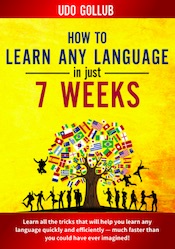
Free book: ‘How to learn any language in just 7 weeks’
Learn all the tricks that will help you learn any language quickly and efficiently – much faster than you could ever have dreamed possible.

*
More information about the French Language Course.
How do I say goodbye to someone in French?
Saying goodbye to a friend or stranger in French is not that difficult. Just use the following phrases:
| English | French | Phonetic (IPA) |
|---|---|---|
| Goodbye! in French | Au revoir ! | [o ʁə.vwaʁ] |
| Take care of yourself! in French | Prends soin de toi ! | [pʁɑ̃ swɛ̃ də twa] |
| Goodbye in French | Au revoir | [o ʁə.vwaʁ] |
| See you tomorrow in French | À demain | [a də.mɛ̃] |
| See you soon in French | À bientôt | [a bjɛ̃.to] |
| See you later in French | À plus tard | [a ply taʁ] |
| Good night in French | Bonne nuit | [bɔn nɥi] |
| Sleep well in French | Dors bien | [dɔʁ bjɛ̃] |
| Talk to you later. in French | On se parle plus tard. | [ɔ̃ sə paʁl ply taʁ] |
| Nice to have met you! in French | Ravi de t’avoir rencontré ! | [ʁa.vi də ta.vwaʁ ʁɑ̃.kɔ̃.tʁe] |
How do I introduce myself in French?
When travelling in France, sooner or later you will come into contact with local people. Naturally, you’ll want to introduce yourself in French and know who you’re talking to.
| English | French | Phonetic (IPA) |
|---|---|---|
| My name is Jonas. | Je m’appelle Jonas. | [ʒə ma.pɛl ʒɔ.nas] |
| What is your name? | Comment tu t’appelles ? | [kɔ.mɑ̃ ty ta.pɛl] |
| What is your surname? | Quel est ton nom de famille ? | [kɛl ɛ tɔ̃ nɔ̃ də fa.mij] |
| What is your first name? | Quel est ton prénom ? | [kɛl ɛ tɔ̃ pʁe.nɔ̃] |
| What is your surname? | Quel est ton nom de famille ? | [kɛl ɛ tɔ̃ nɔ̃ də fa.mij] |
If you want to tell people where you come from, the following sentences are useful:
| English | French | Phonetic (IPA) |
|---|---|---|
| Where do you come from? | D’où viens-tu ? | [du vjɛ̃ ty] |
| I am from London. | Je viens de Londres. | [ʒə vjɛ̃ də lɔ̃dʁ] |
| Are you from Birmingham? | Tu viens de Birmingham ? | [ty vjɛ̃ də bɛʁ.mi.ŋam] |
| No, I’m from Madrid. | Non, je viens de Madrid. | [nɔ̃ ʒə vjɛ̃ də ma.dʁid] |
| Great, I’m from Madrid too. | Super, je viens de Madrid aussi. | [sy.pɛʁ ʒə vjɛ̃ də ma.dʁid o.si] |
| Where do you live? | Où habites-tu ? | [u a.bit ty] |
| I live in Berlin. | J’habite à Berlin. | [ʒa.bit a bɛʁ.lɛ̃] |
If you have problems with your French, it is good to know which languages are still spoken:
| English | French | Phonetic (IPA) |
|---|---|---|
| Do you speak English? | Parles-tu anglais ? | [paʁl ty ɑ̃.ɡlɛ] |
| Yes, I speak English. | Oui, je parle anglais. | [wi ʒə paʁl ɑ̃.ɡlɛ] |
| Yes, I speak some English. | Oui, je parle un peu anglais. | [wi ʒə paʁl ɛ̃ pø ɑ̃.ɡlɛ] |
| No, I do not speak any English. | Non, je ne parle pas anglais. | [nɔ̃ ʒə nə paʁl pɑ ɑ̃.ɡlɛ] |
| I only speak English. | Je parle seulement anglais. | [ʒə paʁl sœl.mɑ̃ ɑ̃.ɡlɛ] |
| I understand some French. | Je comprends un peu de français. | [ʒə kɔ̃.pʁɑ̃ ɛ̃ pø də fʁɑ̃.sɛ] |
Useful sentences with ‘I am…’
The following sentences will help you orientate yourself in French and express your wishes and concerns:
| English | French | Phonetic (IPA) |
|---|---|---|
| I am English in French | Je suis anglais / anglaise | [ʒə sɥi ɑ̃.ɡlɛ / ɑ̃.ɡlɛz] |
| I am injured in French | Je suis blessé(e) | [ʒə sɥi ble.se] |
| I am here in French | Je suis ici | [ʒə sɥi i.si] |
| I am hungry in French | J’ai faim | [ʒɛ fɛ̃] |
| I am thirsty in French | J’ai soif | [ʒɛ swaf] |
| I am a single person in French | Je suis célibataire | [ʒə sɥi se.li.ba.tɛʁ] |
| I need help! in French | J’ai besoin d’aide ! | [ʒɛ bə.zwɛ̃ dɛd] |
| I am tired in French | Je suis fatigué(e) | [ʒə sɥi fa.ti.ɡe] |
| I am happy in French | Je suis heureux / heureuse | [ʒə sɥi‿ø.ʁø / ø.ʁøz] |
| I am sad in French | Je suis triste | [ʒə sɥi tʁist] |
| I am in love in French | Je suis amoureux / amoureuse | [ʒə sɥi‿a.mu.ʁø / a.mu.ʁøz] |
| I am ill in French | Je suis malade | [ʒə sɥi ma.lad] |
| I am ready in French | Je suis prêt / prête | [ʒə sɥi pʁɛ / pʁɛt] |
| I am busy in French | Je suis occupé(e) | [ʒə sɥi‿ɔ.ky.pe] |
| I am lost in French | Je suis perdu(e) | [ʒə sɥi pɛʁ.dy] |
| I am a tourist in French | Je suis touriste | [ʒə sɥi tu.ʁist] |
| I am new here in French | Je suis nouveau / nouvelle ici | [ʒə sɥi nu.vo / nu.vɛl i.si] |
| I am confident in French | J’ai confiance en moi | [ʒɛ kɔ̃.fjɑ̃s‿ɑ̃ mwa] |
| I am proud in French | Je suis fier / fière | [ʒə sɥi fjɛʁ] |
| I am a teacher in French | Je suis professeur | [ʒə sɥi pʁɔ.fe.sœʁ] |
| I am late in French | Je suis en retard | [ʒə sɥi‿ɑ̃ ʁə.taʁ] |
| I am 30 years old in French | J’ai trente ans | [ʒɛ tʁɑ̃.t‿ɑ̃] |
| I am in a hurry in French | Je suis pressé(e) | [ʒə sɥi pʁɛ.se] |
| I am happy in French | Je suis content(e) | [ʒə sɥi kɔ̃.tɑ̃ / kɔ̃.tɑ̃t] |
| I am surprised in French | Je suis surpris(e) | [ʒə sɥi syʁ.pʁi / syʁ.pʁiz] |
| I am angry in French | Je suis en colère | [ʒə sɥi‿ɑ̃ kɔ.lɛʁ] |
Apologising in French
Here’s how to apologise to a French speaker:
| English | French | Phonetic (IPA) |
|---|---|---|
| I apologise | Je m’excuse | [ʒə mɛk.skyz] |
| Sorry, that was not the intention | Désolé, ce n’était pas intentionnel | [de.zɔ.le sə n‿e.tɛ pɑ‿ɛ̃.tɑ̃.sjɔ.nɛl] |
| Sorry, I did not do it on purpose | Désolé, je ne l’ai pas fait exprès | [de.zɔ.le ʒə nə l‿ɛ pɑ fɛ ɛk.spʁɛ] |
| Sorry, that was very clumsy of me | Désolé, c’était très maladroit de ma part | [de.zɔ.le sɛ.tɛ tʁɛ ma.la.dʁwa də ma paʁ] |
Learn French much faster than conventional learning methods – and with only 17 minutes of learning time a day!
Test the French online language course for two days completely free of charge:
*
More information about the French Intermediate Course.
Useful signs and notices in French
Useful signs and messages in French that you will often see.
| English | French | Phonetic (IPA) |
|---|---|---|
| Entrance in French | Entrée | [ɑ̃.tʁe] |
| Toilet in French | Toilettes | [twa.lɛt] |
| Exit in French | Sortie | [sɔʁ.ti] |
| Attention! in French | Attention ! | [a.tɑ̃.sjɔ̃] |
| Police in French | Police | [pɔ.lis] |
| Emergency services in French | Services d’urgence | [sɛʁ.vis dyʁ.ʒɑ̃s] |
| Fire brigade in French | Pompiers | [pɔ̃.pje] |
| Passage forbidden. in French | Passage interdit. | [pa.saʒ ɛ̃.tɛʁ.di] |
| Caution! in French | Prudence ! | [pʁy.dɑ̃s] |
| This building is under video surveillance. in French | Ce bâtiment est sous vidéosurveillance. | [sə ba.ti.mɑ̃ ɛ su vi.de.o syʁ.vɛ.jɑ̃s] |
Numbers to 25 in French
Counting in French is not that difficult. Here are the numbers in French from 1 to 25.
| English | French | Phonetic (IPA) |
|---|---|---|
| One in French | Un | [œ̃] |
| Two in French | Deux | [dø] |
| Three in French | Trois | [tʁwa] |
| Four in French | Quatre | [katʁ] |
| Five in French | Cinq | [sɛ̃k] |
| Six in French | Six | [sis] |
| Seven in French | Sept | [sɛt] |
| Eight in French | Huit | [ɥit] |
| Nine in French | Neuf | [nœf] |
| Ten in French | Dix | [dis] |
| Eleven in French | Onze | [ɔ̃z] |
| Twelve in French | Douze | [duz] |
| Thirteen in French | Treize | [tʁɛz] |
| Fourteen in French | Quatorze | [ka.tɔʁz] |
| Fifteen in French | Quinze | [kɛ̃z] |
| Sixteen in French | Seize | [sɛz] |
| Seventeen in French | Dix-sept | [dis.sɛt] |
| Eighteen in French | Dix-huit | [diz.ɥit] |
| Nineteen in French | Dix-neuf | [diz.nœf] |
| Twenty in French | Vingt | [vɛ̃] |
| Twenty-one in French | Vingt et un | [vɛ̃.te.œ̃] |
| Twenty-two in French | Vingt-deux | [vɛ̃.dø] |
| Twenty-three in French | Vingt-trois | [vɛ̃.tʁwa] |
| Twenty-four in French | Vingt-quatre | [vɛ̃.katʁ] |
| Twenty-five in French | Vingt-cinq | [vɛ̃.sɛ̃k] |
The colours in French
The most common colours in French with phonetic transcription for pronunciation.
| English | French | Phonetic (IPA) |
|---|---|---|
| Red in French | Rouge | [ʁuʒ] |
| Blue in French | Bleu | [blø] |
| Green in French | Vert | [vɛʁ] |
| Yellow in French | Jaune | [ʒon] |
| Black in French | Noir | [nwaʁ] |
| White in French | Blanc | [blɑ̃] |
| Orange in French | Orange | [ɔ.ʁɑ̃ʒ] |
| Pink in French | Rose | [ʁoz] |
| Purple in French | Violet | [vjɔ.lɛ] |
| Brown in French | Marron | [ma.ʁɔ̃] |
Days of the week, months and seasons in French
Of course, you will also need the days of the week in French and the pronunciation of the months and seasons in dialogues and daily communication in French.
| English | French | Phonetic (IPA) |
|---|---|---|
| Monday in French | Lundi | [lœ̃.di] |
| Tuesday in French | Mardi | [maʁ.di] |
| Wednesday in French | Mercredi | [mɛʁ.kʁə.di] |
| Thursday in French | Jeudi | [ʒø.di] |
| Friday in French | Vendredi | [vɑ̃.dʁə.di] |
| Saturday in French | Samedi | [sa.mə.di] |
| Sunday in French | Dimanche | [di.mɑ̃ʃ] |
| January in French | Janvier | [ʒɑ̃.vje] |
| February in French | Février | [fe.vʁi.je] |
| March in French | Mars | [maʁs] |
| April in French | Avril | [a.vʁil] |
| May in French | Mai | [mɛ] |
| June in French | Juin | [ʒɥɛ̃] |
| July in French | Juillet | [ʒɥi.jɛ] |
| August in French | Août | [ut] |
| September in French | Septembre | [sɛp.tɑ̃bʁ] |
| October in French | Octobre | [ɔk.tɔbʁ] |
| November in French | Novembre | [nɔ.vɑ̃bʁ] |
| December in French | Décembre | [de.sɑ̃bʁ] |
| Spring in French | Printemps | [pʁɛ̃.tɑ̃] |
| Summer in French | Été | [e.te] |
| Autumn in French | Automne | [o.tɔn] |
| Winter in French | Hiver | [i.vɛʁ] |
OUR TIP:
If you want to learn these French phrases interactively, we recommend the free language course demo from 17-Minute-Language, where you can learn French phrases and dialogues.
*
More information about the French Business Course.
Additional links
- Learn French with Mondly
- Learn French with Babbel
- The different ways of learning languages
- Learning vocabulary successfully
- Motivated language learning
- It is so easy to train your understanding of a language at the same time
- Learning languages quickly? – Is it possible?
- The different types of learners when learning languages
More information about the French Course for Children.