

Syrian Arabic belongs to the Levantine dialect group – the same family as Lebanese, Jordanian, and Palestinian Arabic. If you learn Syrian Arabic, you’ll be understood across the Levant with minimal adjustment. That’s a significant practical advantage: one dialect, four countries covered at high comprehension.
What makes Syrian Arabic particularly relevant right now is its diaspora reach. Over the past decade, Syrian communities have become one of the largest Arabic-speaking groups in Europe. In Germany alone, more than 800,000 Syrians live and work. If you’re working in healthcare, social services, education, or simply want to connect with neighbors and colleagues, Syrian Arabic is one of the most practically useful dialects you can learn.
Linguistically, Syrian Arabic sits closer to Modern Standard Arabic than North African dialects do – the pronunciation is relatively clear, vowels are more present than in Moroccan or Tunisian, and the vocabulary overlap with MSA is higher. Most learners find it among the more accessible Arabic dialects to start with.
One feature worth noting immediately: Syrian Arabic uses the old Syriac-origin month names – كانون الثاني for January, شباط for February, آذار for March. You’ll see these in the calendar section below, and they’re completely different from the Arabicized international names used in Egypt or Tunisia. It’s a good example of how even “simple” vocabulary can differ significantly between dialects.
Jump to a specific phrase:
Greetings · How are you? · Goodbye · Introductions · Thank you, please, sorry · I am… · Apologies · Signs & Notices · Numbers 1–25 · Colours · Days, Months & Seasons
Syrian Arabic phrases you should know

*
Greet someone in Syrian Arabic
Syrian greetings are warm and relatively straightforward. Marhaba is the standard hello across the Levant – you’ll hear the same word in Lebanon and Jordan. Kifak? (how are you? – masculine) and Kifik? (feminine) are instantly recognizable as Levantine and mark you immediately as someone who knows the dialect rather than textbook Arabic. The universal Islamic greeting As-salāmu ʿalaykum works here too and always gets a warm response.
| English | Syrian Arabic | Phonetic (IPA) |
|---|---|---|
| Hello! in Syrian | مرحبا! | /marˈħaba/ |
| Welcome! in Syrian | أهلا وسهلا | /ˈʔah.lan wəˈsah.lan/ |
| Good day to you! in Syrian | يومك سعيد! | /joː.mak saˈʕiːd/ |
| Good morning! in Syrian | صباح الخير! | /sˤaˈbaːħ elˈxeːr/ |
| Good morning (response) in Syrian | صباح النور! | /sˤaˈbaːħ enˈnuːr/ |
| Good evening! in Syrian | مساء الخير! | /maˈsaːʔ elˈxeːr/ |
| Good evening (response) in Syrian | مساء النور! | /maˈsaːʔ enˈnuːr/ |
| Good to see you. in Syrian | مبسط بشوفتك. | /mab.sˤat bʃoˈf.tak/ |
| I’m glad to see you. in Syrian | مبسط بشوفتك. | /mab.sˤat bʃoˈf.tak/ |
If you are greeted in Syrian Arabic, the best way to respond is as follows:
| English | Syrian Arabic | Phonetic (IPA) |
|---|---|---|
| Have a nice day too! | نهارك سعيد كمان! | /naˈhaːrik saˈʕiːd kaˈmaːn/ |
| Thanks, it’s nice to see you too. | شكرًا، مبسط بشوفتك كمان. | /ˈʃok.ran, mab.sˤat bʃoˈf.tak kaˈmaːn/ |
How are you? in Syrian Arabic
Kifak? is the signature Levantine greeting – short, direct, and unmistakably Syrian/Lebanese. Halʔ bixir? (are you well right now?) uses halʔ, a contraction of hal-ʔaːn (now) that’s distinctly Levantine. These two phrases alone will immediately signal to any Syrian speaker that you’ve actually learned the dialect.
| English | Syrian Arabic | Phonetic (IPA) |
|---|---|---|
| How are you doing? in Syrian | كيفك؟ | /kiːfak?/ (m) /kiːfik?/ (f) |
| Are you doing well? in Syrian | هلأ بخير؟ | /halːaʔ biˈxir?/ |
| How’s everything? in Syrian | شو الأحوال؟ | /ʃuː elʔaħˈwaːl?/ |
If you are asked how you feel, you can answer with the following phrases:
| English | Syrian Arabic | Phonetic (IPA) |
|---|---|---|
| Thank you for asking, I am fine. | شكرًا على سؤالك، أنا بخير. | /ˈʃok.ran ʕaˈla suˈʔaːlak, ˈana biˈxir/ |
| Thank you, I am fine. | شكرًا، أنا بخير. | /ˈʃok.ran, ˈana biˈxir/ |
| Thank you, I am not doing so well. | شكرًا، أنا مو كتير بخير. | /ˈʃok.ran, ˈana muː ktiːr biˈxir/ |
| Thanks, I’m fine. How are you doing? | شكرًا، أنا بخير. كيفك؟ | /ˈʃok.ran, ˈana biˈxir. kiːfak?/ |
Learn all the tricks that will help you learn any language quickly and efficiently – much faster than you could ever have dreamed possible.


*
More information about the Syrian Arabic online course.
How to say goodbye in Syrian Arabic
Rāħ ħaki maʕak baʕdīn (I’ll talk to you later) is a characteristic Syrian construction – the future marker rāħ (going to) is a Levantine feature shared with Lebanese. It sounds natural and colloquial in a way that the MSA equivalent doesn’t. Note also that maʕa s-salāmah (go with peace) works as a universal Arabic goodbye here too.
| English | Syrian Arabic | Phonetic (IPA) |
|---|---|---|
| Goodbye! in Syrian | مع السلامة! | /maʕa s-saˈlaːme/ |
| Goodbye (formal) in Syrian | وداعًا! | /wadaːʕan/ |
| Take care of yourself! in Syrian | دير بالك على حالك! | /diːr baːlik ʕalaː ħaːlak/ |
| See you tomorrow in Syrian | أراك غدًا | /ʔaraːk ɣaˈdan/ |
| See you soon in Syrian | أراك قريبًا | /ʔaraːk qariːban/ |
| See you later in Syrian | أراك لاحقًا | /ʔaraːk laːˈħiːqan/ |
| Good night in Syrian | تصبح على خير | /tˤis.baħ ʕalaː xeːr/ |
| Good night (response) in Syrian | وأنت من أهل الخير | /w-anta men ahl elˈxeːr/ |
| Sleep well in Syrian | نوم هنيئ | /noːm haniːʔ/ |
| Talk to you later. in Syrian | رح حكي معك بعدين | /raħ ħaki maʕak baʕdiːn/ |
| Nice to have met you! in Syrian | تشرفت بلقائك! | /tʃaˈʃarraft bɪlˈʔiːʔak/ |

How to introduce yourself in Syrian Arabic
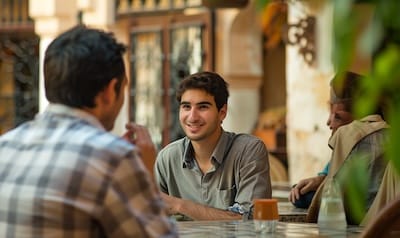
Šuː ismak? (what’s your name?) is the distinctly Levantine form – šuː (what) is a Levantine question word you won’t hear in Egyptian or North African Arabic. If someone hears you use it, they’ll immediately recognize you’re speaking Levantine dialect, not generic Arabic.
| English | Syrian Arabic | Phonetic (IPA) |
|---|---|---|
| My name is Jonas. | اسمي يوناس. | /ˈɪs.mi juˈnas/ |
| What is your name? | شو اسمك؟ | /ʃuː ʔis.mak?/ |
| What is your surname? | شو لقبك؟ | /ʃuː laˈʔa.bak?/ |
| What is your first name? | شو اسمك الأول؟ | /ʃuː ʔis.mak elˈʔawwal?/ |
If you want to tell people where you come from:
| English | Syrian Arabic | Phonetic (IPA) |
|---|---|---|
| Where do you come from? | من وين إنت؟ | /men weːn ʔente?/ |
| I am from London. | أنا من لندن. | /ˈana men ˈlændən/ |
| Are you from Birmingham? | إنت من برمنغهام؟ | /ʔente men ˈbɜː.mɪŋ.ɡæm?/ |
| No, I’m from Madrid. | لا، أنا من مدريد. | /laː, ˈana men maˈdɾid/ |
| Great, I’m from Madrid too. | عظيم، أنا كمان من مدريد. | /ʕaˈðiːm, ˈana kaˈmaːn men maˈdɾid/ |
| Where do you live? | وين ساكن؟ | /weːn saː.ken?/ |
| I live in Berlin. | أنا ساكن في برلين. | /ˈana saː.ken fiː bɛˈʁliːn/ |
If you have language difficulties:
| English | Syrian Arabic | Phonetic (IPA) |
|---|---|---|
| Do you speak English? | إنت بتعرف تحكي إنجليزي؟ | /ʔente btaʕraf taḥki ʔinɡliˈzi?/ |
| Yes, I speak English. | إيه، أنا بعرف أحكي إنجليزي. | /ʔiːh, ˈana baʕraf ʔaħki ʔinɡliˈzi/ |
| Yes, I speak some English. | إيه، بعرف شوية إنجليزي. | /ʔiːh, baʕraf ʃwayye ʔinɡliˈzi/ |
| No, I do not speak any English. | لا، ما بعرف أحكي إنجليزي. | /laː, maː baʕraf ʔaħki ʔinɡliˈzi/ |
| I only speak English. | أنا بس بعرف أحكي إنجليزي. | /ˈana bas baʕraf ʔaħki ʔinɡliˈzi/ |
| I understand some Syrian Arabic. | أنا بفهم شوية سوري. | /ˈana bafˈham ʃwayye suˈri/ |
Essential Syrian phrases: thank you, please, sorry
Shukran (thank you) is universal Arabic and works everywhere. But listen for yislamu in Syrian/Levantine contexts – it means “bless your hands” or “thank you” in response to a gift or gesture, and using it shows genuine dialect knowledge. Saħtayn (double health/cheers) is the Levantine toast you’ll hear at meals.
| English | Syrian Arabic | Phonetic (IPA) |
|---|---|---|
| Thank you in Syrian | شكرًا | /ˈʃokran/ |
| Thank you (heartfelt) in Syrian | يسلموا إيدك | /yɪsˈlamu ˈʔiːdak/ (lit. “bless your hands”) |
| Cheers! / To your health! in Syrian | صحتين! | /saħˈteːn/ |
| Please in Syrian | من فضلك | /men faˈdˤlak/ (m) /men faˈdˤlik/ (f) |
| You’re welcome in Syrian | عفوًا / أهلا | /ʕafwan/ / /ˈʔahlan/ |
| Sorry / Excuse me in Syrian | آسف / عفوًا | /ˈaːsɪf/ / /ʕafwan/ |
| Yes in Syrian | إيه / أيوه | /ʔiːh/ / /ˈʔajwah/ |
| No in Syrian | لا | /laː/ |
| I love you in Syrian | بحبك | /baħibbak/ (m) /baħibbik/ (f) |
Useful sentences with ‘I am…’
Notice hōn (here) instead of hunā – this is one of the clearest markers of Levantine dialect vs. MSA. Similarly zʕalān (sad/upset) is distinctly Levantine; MSA uses ħazīn. These are the small vocabulary shifts that make Syrian Arabic sound natural rather than formal.
| English | Syrian Arabic | Phonetic (IPA) |
|---|---|---|
| I am English. in Syrian | أنا إنجليزي. | /ˈana ʔinɡliˈzi/ |
| I am injured. in Syrian | أنا مجروح. | /ˈana mʒruːħ/ |
| I am here. in Syrian | أنا هون. | /ˈana hoːn/ |
| I am hungry. in Syrian | أنا جوعان. | /ˈana ʒuʕaːn/ |
| I am thirsty. in Syrian | أنا عطشان. | /ˈana ʕaːtʃaːn/ |
| I need help! in Syrian | أنا بحاجة لمساعدة! | /ˈana biħaːʒaː le musaˈʕada/ |
| I am tired. in Syrian | أنا تعبان. | /ˈana tʕaːban/ |
| I am happy. in Syrian | أنا سعيد. | /ˈana saˈʕiːd/ |
| I am sad / upset. in Syrian | أنا زعلان. | /ˈana zaʕlaːn/ |
| I am in love. in Syrian | أنا واقع بالحب. | /ˈana waːʕeʕ bilˈħub/ |
| I am ill. in Syrian | أنا مريض. | /ˈana mɑˈriːd/ |
| I am ready. in Syrian | أنا جاهز. | /ˈana ˈdʒaːhez/ |
| I am busy. in Syrian | أنا مشغول. | /ˈana mɪʃɡuːl/ |
| I am lost. in Syrian | أنا ضايع. | /ˈana ˈdˤaːyiʕ/ |
| I am a tourist. in Syrian | أنا سياحي. | /ˈana siˈjaːhiː/ |
| I am new here. in Syrian | أنا جديد هون. | /ˈana ʒdiːd hoːn/ |
| I am confident. in Syrian | أنا واثق. | /ˈana waːθiq/ |
| I am proud. in Syrian | أنا فخور. | /ˈana faˈxuːr/ |
| I am a teacher. in Syrian | أنا معلم. | /ˈana ˈmʕa.lɪm/ |
| I am late. in Syrian | أنا متأخر. | /ˈana mʊtˈʔaːxir/ |
| I am 30 years old. in Syrian | عمري 30 سنة. | /ˈʕumri θaˈlaːθiːn sinːe/ |
| I am in a hurry. in Syrian | أنا مستعجل. | /ˈana mʊstaːʕil/ |
| I am surprised. in Syrian | أنا متفاجئ. | /ˈana mʊtˈfaːdʒiʔ/ |
| I am angry. in Syrian | أنا زعلان. | /ˈana zaʕlaːn/ |
Apologising in Syrian Arabic
Āsif is the direct and universally understood apology. In more informal Syrian speech you’ll also hear samḥnī (forgive me) which carries a slightly more personal, genuine tone – useful when you actually made a mistake rather than just bumping into someone.
| English | Syrian Arabic | Phonetic (IPA) |
|---|---|---|
| I apologise. in Syrian | أنا باعتذر. | /ˈana baʕtɪðɪr/ |
| Sorry, that was not the intention. | آسف، ما كان القصد هيك. | /ˈaːsɪf, maː kan elˈqɑsˤd heːk/ |
| Sorry, I did not do it on purpose. | آسف، ما عملتها عن قصد. | /ˈaːsɪf, maː ʕaˈmɪltɦa ʕan qɑsˤd/ |
| Sorry, that was very clumsy of me. | آسف، كان تصرفي كتير غبي. | /ˈaːsɪf, kan tˤaˈsˤurfi ktiːr ɣabi/ |
Test the Syrian Arabic online language course for two days completely free of charge:
*
More information about the Syrian Arabic intermediate course.
Useful signs and notices in Syrian Arabic
Public signage in Syria uses Modern Standard Arabic script, so the written forms here are what you’ll actually see on signs. The spoken versions in Syrian dialect are often identical or very close to MSA for these formal terms.
| English | Syrian Arabic | Phonetic (IPA) |
|---|---|---|
| Entrance in Syrian | مدخل | /ˈmadˤxel/ |
| Toilet in Syrian | حمام | /ħaˈmaːm/ |
| Exit in Syrian | مخرج | /ˈmaxɾadʒ/ |
| Attention! in Syrian | انتباه! | /ʔin.tɪˈbaːh/ |
| Police in Syrian | شرطة | /ˈʃur.tˤa/ |
| Emergency services in Syrian | خدمات الطوارئ | /χa.dˈmaːt etˤˈtˤawaːriʔ/ |
| Fire brigade in Syrian | فريق الإطفاء | /faˈriːq elˈʔiṭˤfaːʔ/ |
| Passage forbidden. in Syrian | المرور ممنوع. | /el.muˈruːr mamˈnuːʕ/ |
| Caution! in Syrian | حذر! | /ħaˈðer/ |
| This building is under video surveillance. | هذه البناية تحت المراقبة بالفيديو. | /ˈhaːðihi el.biˈnajaː teḥt el.muˈraːqaba bɪlˈvidjo/ |
Numbers 1–25 in Syrian Arabic
Syrian Arabic numbers follow the Levantine pattern — closest to MSA among the spoken dialects, but with characteristic compressed forms for 11–19 (حداشر, اتناشر etc.) that differ clearly from both North African dialects and MSA. Unlike Egyptian Arabic, Syrian retains the th sound (ث), so thalātha stays as θalaːθe (3) rather than shifting to t.
For the full picture of how Arabic numbers work — Eastern Arabic numerals (١ ٢ ٣), compound number logic, and a side-by-side dialect comparison — see the Arabic numbers guide.
| English | Syrian Arabic | Phonetic (IPA) |
|---|---|---|
| 1 in Syrian | واحد | /ˈwaːħed/ |
| 2 in Syrian | اتنين | /ʔitˈneːn/ |
| 3 in Syrian | ثلاثة | /θaˈlaːθe/ |
| 4 in Syrian | أربعة | /ʔarˈbaʕe/ |
| 5 in Syrian | خمسة | /ˈχamse/ |
| 6 in Syrian | ستة | /ˈsetˤe/ |
| 7 in Syrian | سبعة | /ˈsebʕe/ |
| 8 in Syrian | ثمانية | /θamaˈniːe/ |
| 9 in Syrian | تسعة | /ˈtisaʕe/ |
| 10 in Syrian | عشرة | /ˈʕaʃre/ |
| 11 in Syrian | حداشر | /ħadaːʃer/ |
| 12 in Syrian | اتناشر | /ʔitˈnaːʃer/ |
| 13 in Syrian | تلتاشر | /teltˈaːʃer/ |
| 14 in Syrian | أربعتاشر | /ʔarˈbaːtˤaːʃer/ |
| 15 in Syrian | خمستاشر | /ˈχamstaːʃer/ |
| 16 in Syrian | ستاشر | /sˈtaːʃer/ |
| 17 in Syrian | سبعتاشر | /ˈsebʕtaːʃer/ |
| 18 in Syrian | تمانتاشر | /θamaˈntaːʃer/ |
| 19 in Syrian | تسعتاشر | /ˈtisaʕtaːʃer/ |
| 20 in Syrian | عشرين | /ʕiˈʃriːn/ |
| 21 in Syrian | واحد وعشرين | /ˈwaːħed w ʕiˈʃriːn/ |
| 22 in Syrian | اتنين وعشرين | /ʔitˈneːn w ʕiˈʃriːn/ |
| 23 in Syrian | ثلاثة وعشرين | /θaˈlaːθe w ʕiˈʃriːn/ |
| 24 in Syrian | أربعة وعشرين | /ʔarˈbaʕe w ʕiˈʃriːn/ |
| 25 in Syrian | خمسة وعشرين | /ˈχamse w ʕiˈʃriːn/ |
Colours in Syrian Arabic
| English | Syrian Arabic | Phonetic (IPA) |
|---|---|---|
| Red in Syrian | أحمر | /ˈaħmar/ |
| Blue in Syrian | أزرق | /ˈazraq/ |
| Green in Syrian | أخضر | /ˈaxðar/ |
| Yellow in Syrian | أصفر | /ˈaṣfar/ |
| Black in Syrian | أسود | /ˈʔaswad/ |
| White in Syrian | أبيض | /ˈʔabjað/ |
| Pink in Syrian | وردي | /ˈwardi/ |
| Orange in Syrian | برتقالي | /burtuqˈaːli/ |
| Brown in Syrian | بني | /bunni/ |
| Gray in Syrian | رمادي | /raˈmaːdi/ |
Days, months and seasons in Syrian Arabic
Syrian Arabic uses the ancient Syriac-origin calendar names – a linguistic heritage that sets it apart from Egypt, Tunisia, and Morocco, which all use Arabicized international month names. January is kānūn eṯṯāni (the second Kanun), February is šubāṭ, March is āḏār. If you already know Lebanese Arabic, these will be identical – it’s one of the strongest markers of the shared Levantine calendar tradition.
| English | Syrian Arabic | Phonetic (IPA) |
|---|---|---|
| Monday in Syrian | الاثنين | /elʔitˈneːn/ |
| Tuesday in Syrian | الثلاثاء | /elθuˈlaːθeːʔ/ |
| Wednesday in Syrian | الأربعاء | /elʔarbiˈʕaːʔ/ |
| Thursday in Syrian | الخميس | /elxaˈmiːs/ |
| Friday in Syrian | الجمعة | /elˈʒumʕa/ |
| Saturday in Syrian | السبت | /esˈsæbt/ |
| Sunday in Syrian | الأحد | /elˈʔaħad/ |
| January in Syrian | كانون الثاني | /kaˈnuːn etˈθaːniː/ |
| February in Syrian | شباط | /ʃubatˤ/ |
| March in Syrian | آذار | /ʔaːðar/ |
| April in Syrian | نيسان | /niːˈsaːn/ |
| May in Syrian | أيار | /ʔaːjaːr/ |
| June in Syrian | حزيران | /ħaziˈraːn/ |
| July in Syrian | تموز | /tammuːz/ |
| August in Syrian | آب | /ʔaːb/ |
| September in Syrian | أيلول | /ʔayˈluːl/ |
| October in Syrian | تشرين الأول | /teʃˈriːn elʔawwal/ |
| November in Syrian | تشرين الثاني | /teʃˈriːn etˈθaːniː/ |
| December in Syrian | كانون الأول | /kaˈnuːn elʔawwal/ |
| Spring in Syrian | الربيع | /elrabˈʕiːʕ/ |
| Summer in Syrian | الصيف | /eṣˈṣaːyf/ |
| Autumn in Syrian | الخريف | /elxaˈriːf/ |
| Winter in Syrian | الشتاء | /eʃˈʃitaːʔ/ |
*

About the author: Sven Mancini
Sven is a published language author and the founder of Learn-A-New-Language.eu. He has learned Norwegian, Danish, Swedish, and French through self-study and is currently working on Spanish. His guides are based on personal language learning experience – not generic content.
Additional links
- Syrian Arabic online course
- Learn Arabic – dialect guide and course overview
- Lebanese Arabic phrases – the closest related dialect
- Jordanian Arabic phrases
- The different ways of learning languages
- Learning vocabulary successfully
- Motivated language learning
- Learning languages quickly? – Is it possible?
- The different types of learners when learning languages